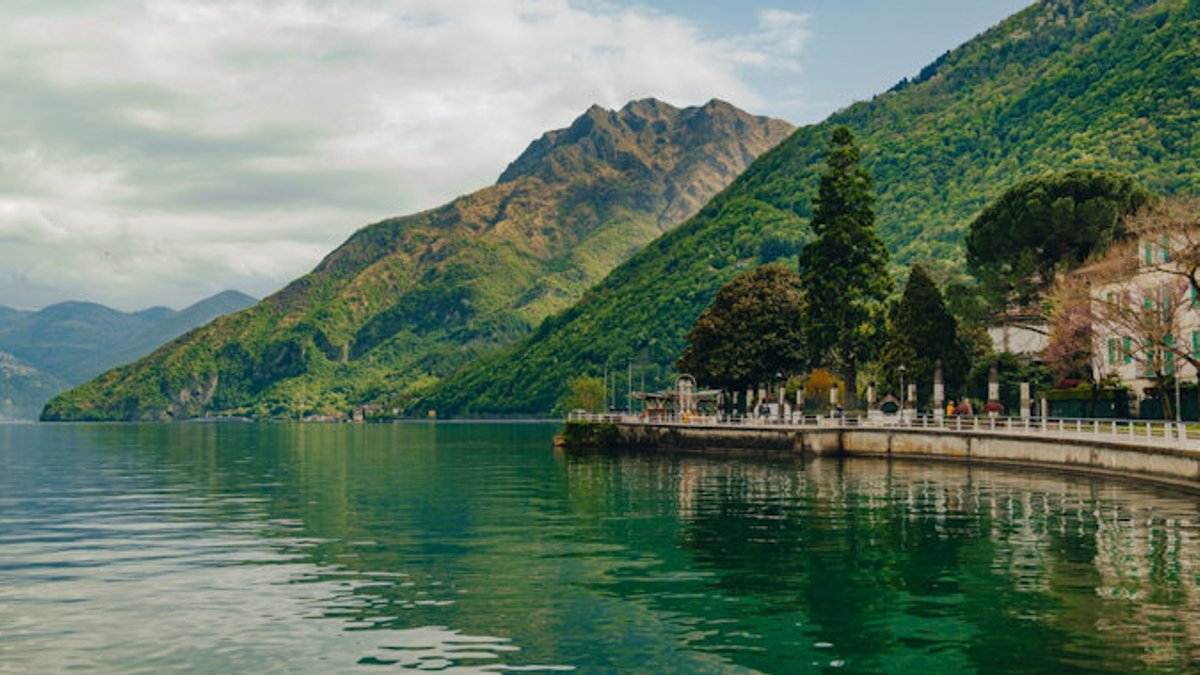
The luxury travel industry is undergoing a notable transformation. For years, high-end vacations meant packed itineraries, multiple destinations, and a relentless pace designed to showcase exclusivity. That approach is losing its appeal. In 2026, wealthy travelers are choosing depth over breadth, spending two weeks at a single private estate rather than rushing through a string of five-star hotels.
The End of the Speed Run
Affluent clients have grown weary of the old model. Instead of cramming an entire country into a week, they now prefer fewer places for longer stretches. The shift is straightforward: where once they chased Instagram moments at famous landmarks, they now seek genuine connection with a single location.
True luxury, in this new framework, means having the freedom to stop moving entirely. A private countryside villa or coastal retreat offers something the old circuit couldn’t: time to actually experience a place rather than merely photograph it. High-net-worth travelers report returning home from slower trips feeling restored rather than exhausted.
Privacy as the New Status Symbol
Exclusivity has taken on a different meaning. Crowded resorts and over-commercialized hotspots have lost their luster. Today’s wealthy traveler values seclusion above showroom opulence. Being able to put meaningful distance between oneself and the public eye has become more desirable than any amount of flash.
Related: Calcot Manor Offers Family Retreat in Cotswolds
Private road travel, discreet estate rentals, and remote properties have become the preferred accommodations. The appeal isn’t just comfort—it’s control over one’s environment. These travelers want to set their own schedules, eat when they choose, and avoid the performance of luxury that defined previous generations.
Wellness tourism has accelerated this trend. Modern professionals are burned out from work demands and constant connectivity. Slow travel offers a remedy for that kind of overstimulation. Retreats now offer programs focused on nature-based recovery and mental restoration, things that are nearly impossible to achieve on a packed schedule.
Authenticity Over Opulence
The emotional satisfaction of travel has replaced the need for showy displays. Quiet luxury and slow travel have become intertwined. Wealthy travelers are tired of obviousness—the five-star lobby as performance, the designer label as status signal. An understated, restorative outing with genuine service and genuine privacy carries more weight now.
Environmental considerations play a role as well. Over-tourism has become a genuine concern, and affluent travelers are increasingly aware of their footprint. Staying in one location rather than hopping between distant cities reduces the environmental impact of air travel. For this demographic, slow travel aligns with a broader sense of responsibility.
Related: Hyatt Regency Blackfriars impresses in central London
The industry has noticed. Hotels and tour operators are restructuring offerings around longer stays, private experiences, and wellness programming. Villa rentals with minimal staff and maximum seclusion have seen demand surge. The infrastructure of luxury travel is adapting to a clientele that no longer equates expense with quality.
What this points to is a fundamental recalibration of what luxury means. The old markers—visible wealth, constant activity, exclusive access to crowded spaces—have given way to something quieter. The real thing, as these travelers see it, is having the room and time to do something properly. Not trying to get everything done in a rush, but actually experiencing one place the way it deserves.
Whether this shift holds beyond the current generation remains to be seen. Early indicators suggest younger wealthy travelers are adopting similar preferences, which could make slow luxury a lasting feature of high-end tourism rather than a temporary reaction to pandemic fatigue.


