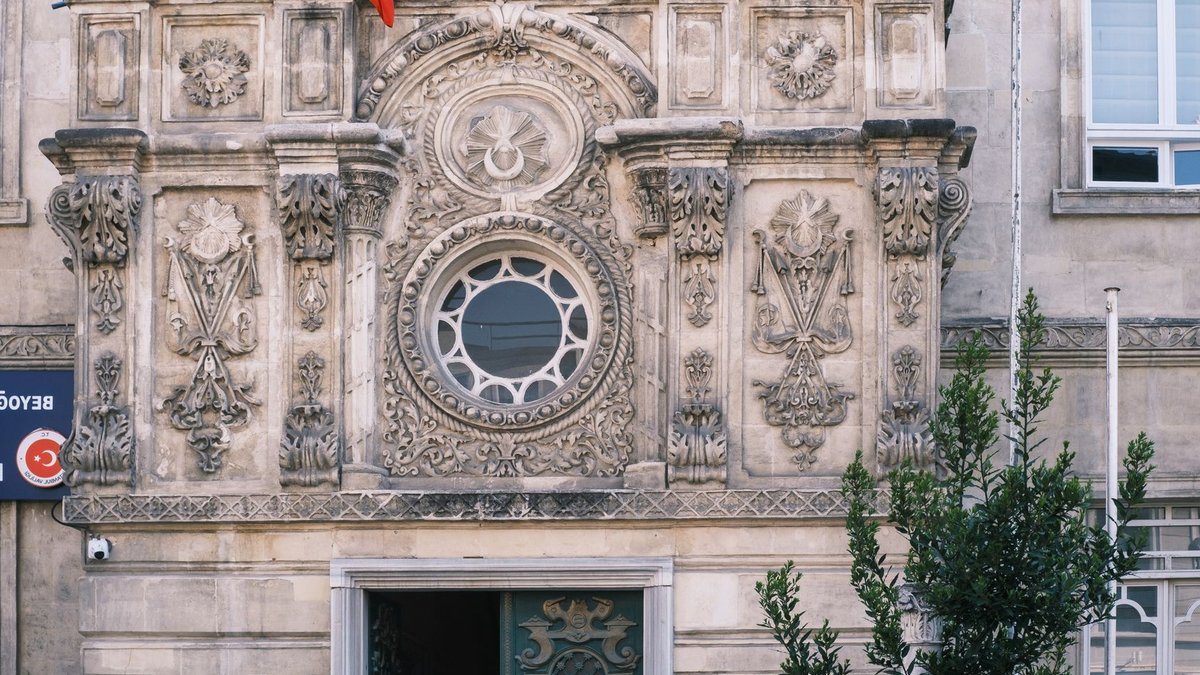
Austria has turned the house where Adolf Hitler was born into a police station, a move officials say aims to prevent the site from becoming a pilgrimage destination for extremist sympathizers.
Police command opens in Braunau
Located at Salzburger Vorstadt 15 in Braunau am Inn, the former residence has served a variety of community purposes over the past eight decades, including a bank, a school and a center for people with special needs.
In 2017 the federal government expropriated the property and announced plans to convert it into a “Revier,” or police precinct. The Police Inspectorate and District Police Command officially opened its doors on Wednesday, according to Austrian officials.
Local authorities argue that a constant police presence will deter any attempts to use the building as a rallying point for neo‑Nazi groups. The decision follows a decades‑long debate over how to handle the location, which carries a heavy historical burden.
Related: Louisiana Church Transformed Into Unique Dining Space
A granite monument placed on the site in 1989 bears the inscription “For Peace, Freedom and Democracy. Never Again Fascism. Millions of Dead Are a Warning.”
The town of Braunau, which received its town rights in 1260, is situated on the lower Inn River near the German border. Its medieval parish church, St. Stephan, is a notable landmark, and the town hosts Austria’s largest aluminum plant. The conversion of Hitler’s birthplace adds another layer to the community’s complex identity.
Context and reactions
Austria’s approach reflects a broader European effort to limit the visibility of sites linked to the Nazi era. While some neighboring countries have opted to demolish such structures, Austria has chosen to repurpose the building, a strategy that seeks to blend remembrance with practical civic use.
Critics argue that any preservation of the site, even as a police station, risks keeping the memory alive in a way that could attract attention. Supporters counter that the active law‑enforcement function will make the location less appealing for extremist gatherings, effectively neutralizing its symbolic value.
In the weeks leading up to the opening, local media reported heightened vigilance by police units, including increased patrols around the property. No incidents have been recorded since the station began operating, suggesting that the preventive measures may be working as intended.
Related: New Yorkers Love Hidden Italian Spot’s Classic Dishes
International observers note that the decision may set a precedent for other countries grappling with similar historical sites. The balance between preserving history and preventing its misuse remains a delicate one, and Austria’s latest step will likely be watched closely by scholars and policymakers alike.
From a broader perspective, the transformation of a controversial birthplace into a functional civic building illustrates how societies can confront difficult pasts.
By integrating the location into everyday public safety work, Austria attempts to shift the narrative from one of reverence to one of routine governance, a subtle but meaningful re‑framing of history.
Authorities plan to maintain the police station’s operations for the foreseeable future, with no indication of further changes to the site’s status. The move reflects Austria’s commitment to confronting its historical legacy while ensuring public order.


