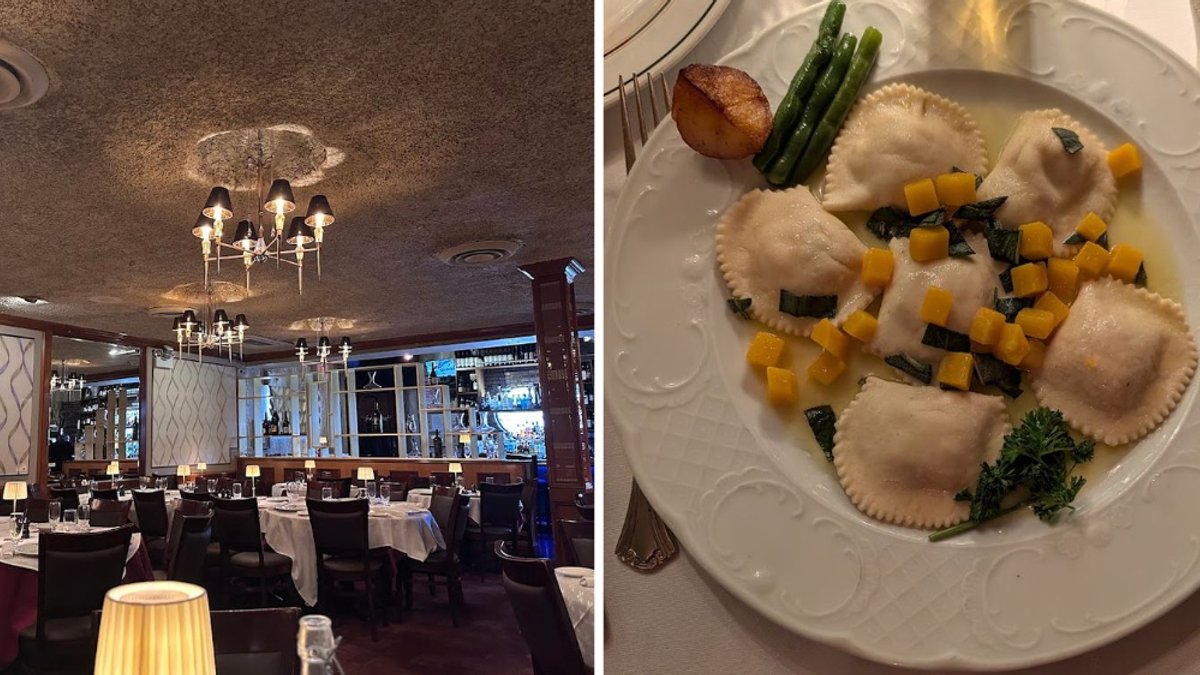
In a quiet corner of Brooklyn’s Marine Park neighborhood, a family-run Italian restaurant has been serving classic dishes for more than six decades. Michael’s of Brooklyn opened in 1964 as a small pizza place and grew into a full-scale restaurant at 2929 Avenue R. It sits well outside the tourist circuits that pull visitors toward Manhattan and northern Brooklyn, which gives the dining room a neighborhood-first personality. Local families fill the tables with the confidence of people who already know what comes next.
Three Generations Keep the Kitchen Running
The Cacace family has owned Michael’s since the beginning. The business has passed through three generations, and the continuity is not just a marketing point. It means the restaurant’s identity is tied to people who grew up with the kitchen, the dining room, and the customers.
The restaurant’s history notes that family recipes form the backbone of the menu. Different generations have handled the front of the house, the kitchen, and the restaurant’s expansion. The result is history with working hours rather than history sealed behind glass.
Related: Mississippi Waterfront Spots Serve Top Catfish and Views
That long family run also creates accountability. When the surname on the business matches the people guiding dinner, every plate carries more than tonight’s order. The menu reflects that confidence.
Classics stay available because they still matter, not because nobody thought to update the page. Newer specialties can appear without pushing lasagna, ravioli, or parmigiana into retirement.
Michael’s is not the only old-school Italian restaurant in New York that has survived into its third generation, but the approach is becoming rarer. Many similar places opened in the mid-20th century have either closed or reinvented themselves as modern concepts. The family’s choice to stay with its original recipes and ownership over six decades stands in contrast to the industry’s typical turnover. That stability may be part of why locals keep coming back.
The Classics That Keep Locals Coming Back
Lasagna and cheese ravioli are on the regular menu. The kitchen notes that lasagna is where kitchen shortcuts go to get exposed. Layers, cheese, pasta, and sauce must stay distinct enough to reward each forkful while still behaving like one complete dish. Cheese ravioli takes the quieter route, with pasta pockets for filling and sauce for contrast. Bolognese offers another classic path, and the menu lets diners choose among several pasta shapes for many preparations.
Related: 4 Differences between Visas and Stay Permits You Should Know
Chicken parmigiana is prepared by breading and frying the chicken, then covering it with tomato sauce and mozzarella. The combination is familiar, but balance is key. Too much sauce can erase the crust, while too little leaves the cutlet carrying the entire meal alone. Veal parmigiana follows the same framework and gives diners a second route through the restaurant’s sauce-and-cheese tradition. The specials menu extends beyond a token dish or two. It can include fried lobster served with shrimp or rice balls, which keeps repeat visits unpredictable without weakening the classics.
When the Sauce Gets a Shipping Label
Most restaurants guard their sauce recipe. Michael’s gave it a national shipping schedule. The restaurant makes and jars its sauces on the premises, connecting the kitchen with a retail line sold far beyond Avenue R. The same address serving pasta also prepares jars designed for home kitchens.
The selection includes tomato sauce, marinara, tomato and basil, and Bolognese. Each gives pasta a different route without abandoning the family style that helped establish the business. The sauce works as the common thread connecting many orders while still letting each dish keep its own character.
Related: Craftsmanship and Love: The Engagement Rings of German Empresses
Dessert keeps the Italian ending broad.
The menu lists tiramisu, homemade spumoni, house tartufo, profiteroles, cakes, cookies, sorbet, and warm baked sweets. After a substantial entree, ordering dessert becomes less about hunger and more about refusing to end on an unfinished sentence. Tiramisu balances cream, coffee flavor, and soft layers. Spumoni offers a colder finish, while tartufo turns the final course into a compact project for spoon and fork. Cookies create the most practical temptation because they look shareable, but that illusion rarely lasts long.
For many diners, a meal on Avenue R challenges the idea that Manhattan has a monopoly on Italian dining in New York. A properly handled parmigiana does not need a stunt. It needs heat, timing, and enough sauce to make the final corner worth defending.


