Expedition cruises to remote destinations like Antarctica, Svalbard, the Galapagos Islands, and Iceland are becoming more accessible to travelers with disabilities, though careful planning remains essential. While daily activities such as boarding Zodiacs can present challenges, experienced travel planners say that with the right cruise line and support, people with mobility issues can still enjoy these far-flung journeys.
Choosing the Right Cruise Line
Mary Curry, a senior trip-planner at Adventure Life in Missoula, Montana, emphasizes that success starts with selecting a cruise line that actively accommodates passengers with disabilities. “The keys to any travel experience are considering what you need against what is possible,” she said. “You’re almost never going to find the perfect fit for everything. Prioritize what is most important.”
Not all expedition cruise operators are equipped to serve travelers with disabilities, and attempting to convince unwilling providers to make special arrangements often leads to disappointment. Among the lines that do offer support, Curry noted that HX, Ponant, and Silversea have established track records. She praised HX for its willingness to find creative solutions, adding that staff were consistently helpful in assisting passengers with mobility issues during Zodiac transfers and landings.
Even among companies willing to accommodate people with disabilities, it’s important to find the right ship, said Jeremy Clubb, CEO and founder of Rainforest Cruises and Antarctica Cruises. Because the Americans with Disabilities Act does not apply to ships that don’t fly the U.S. flag or visit ports in the U.S., agents should carefully research which ships meet their client’s specific needs.
Accessibility Features at Sea
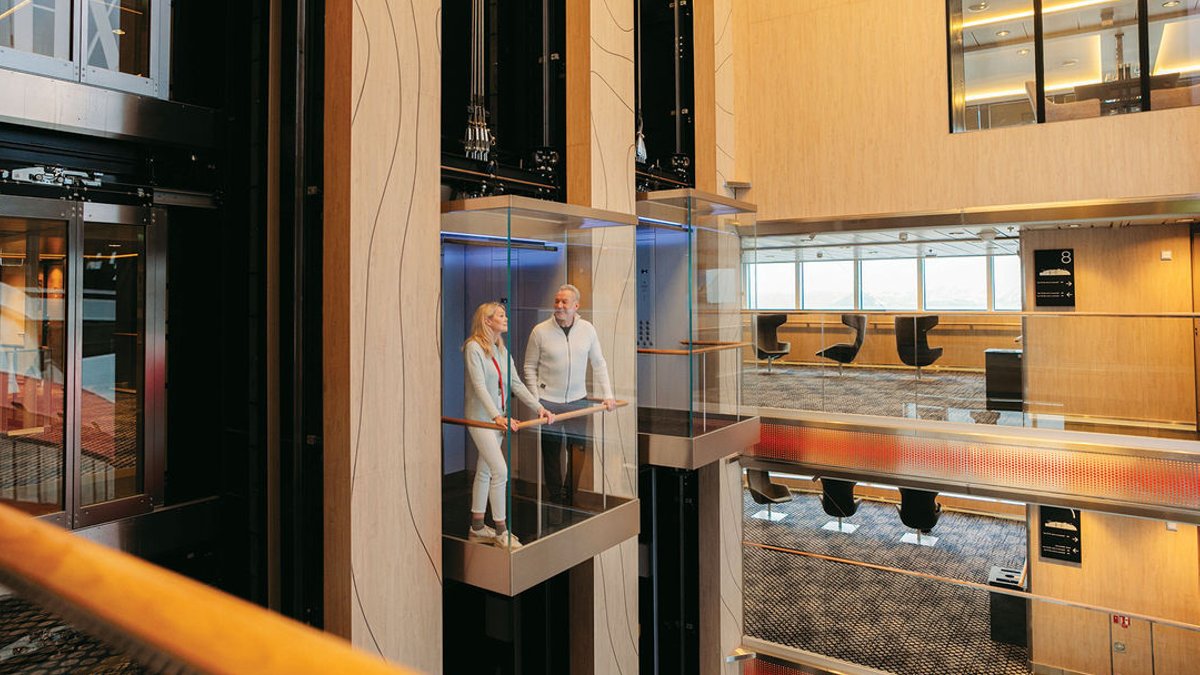
HX’s Fridtjof Nansen stands out for its accessible design, offering dedicated cabins with zero-threshold transitions, roll-in showers, grab bars, and elevators connecting all passenger decks. Wider corridors accommodate wheelchairs, and key communal spaces such as the main lecture hall, restaurant, and observation lounge are fully accessible. Similar features are available on other HX vessels, including the Fram, Roald Amundsen, and Spitsbergen.
The Grand Amazon by Iberostar also meets accessibility standards with an accessible cabin, grab bars in all bathrooms, elevator access to every deck, and accessible amenities throughout the ship. Meanwhile, Ponant’s Le Commandant Charcot provides accessible cabins, step-free access to dining and communal areas, elevators between decks, and reserved wheelchair spaces in the theater.
Activity Planning and Realistic Expectations
Expedition cruise lines that welcome passengers with disabilities typically cannot guarantee access to every scheduled activity. Land-based excursions, such as guided hikes or wildlife walks, often involve uneven terrain, stairs, or extended walking. Crew members work with guests to identify which portions of an itinerary are feasible, but families must prepare for limitations. Some travelers choose to skip certain shore excursions while others participate fully.
Onboard programming offers alternatives when off-ship activities are not possible. Daily lectures cover topics such as glaciology, marine biology, and regional history. Photography workshops, art classes, and informal talks provide engaging options throughout the day. Guests can also contribute to citizen science efforts by recording wildlife sightings or weather patterns.
Support Systems and Travel Companions
Family members also play a key role in making expedition cruises successful for people with disabilities. For example, on one of my expedition cruises, an older grandchild stood next to her unsteady grandmother throughout several gentle hikes while another family member stood behind her in case she lost her balance. Although the crew on my cruises were very responsive, they typically don’t have enough staff to provide this type of constant individual assistance.
When booking an expedition cruise for a family that includes someone with a disability, it’s key to determine how willing and able other family members are to fill in these gaps. “I traveled with a friend who had Stage 4 cancer,” Curry said. “She used a wheelchair in the airports, and it took 20 minutes to climb a flight of stairs, but we were determined to get her on a Baja whale-watching cruise on a small expedition ship without elevators.


