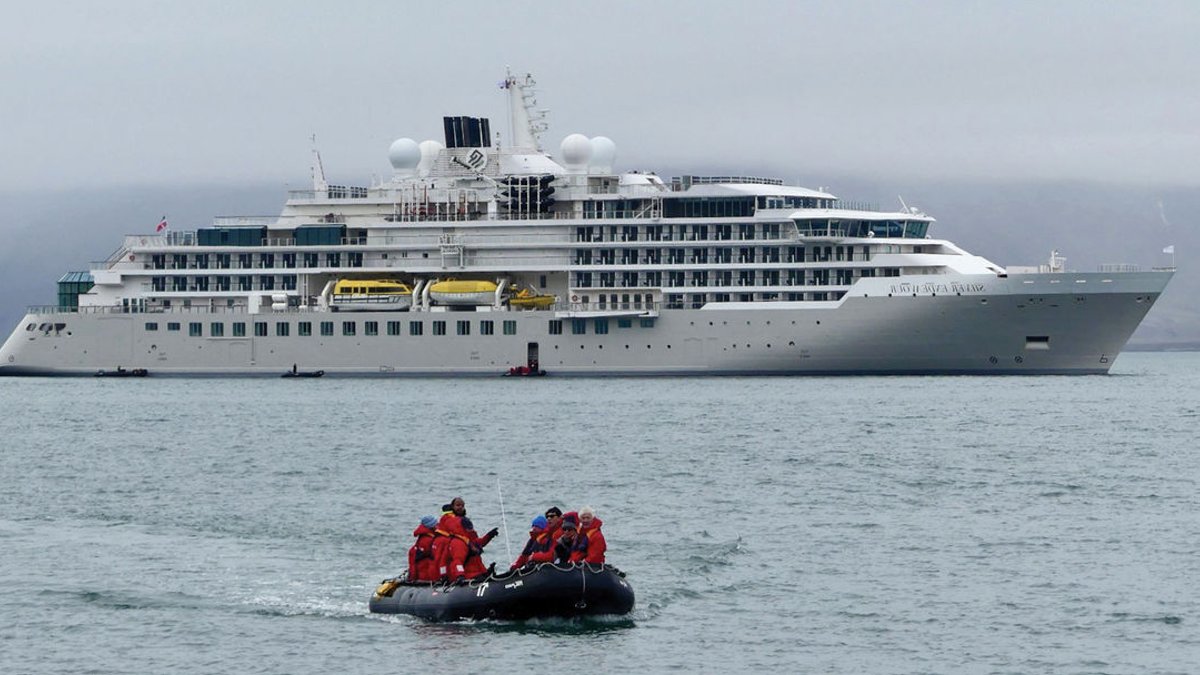
Silversea Cruises entered the ultraluxury market in 1994 with the Silver Cloud. The all-suite ship featured private verandas in approximately 75% of its accommodations. Fourteen years later, the company launched Silversea Expeditions as the world’s first ultraluxury expedition cruise brand. The fleet now includes four luxury vessels, including the Silver Origin, built specifically for Ecuador’s Galapagos Islands. A writer who sailed on three previous classic voyages in the Caribbean and the Mediterranean boarded the Silver Endeavour for a trip to Svalbard to compare the two offerings.
Quality and Service
Consistency in quality defines both the classic and expedition experiences. The Silver Endeavour is a spacious, all-suite vessel with well-appointed accommodations. Guests in every suite category enjoy butler service and all-inclusive fares. Dining venues such as The Arts Cafe, The Grill and specialty restaurant La Dame offered familiar culinary options. The crew-to-guest ratio of nearly one-to-one meant crew members addressed guests by name and remembered their preferences. This high-touch service creates a seamless environment where logistical details are handled without request.
Ship Size and Atmosphere
The first noticeable difference is the smaller ship size. Classic Silversea vessels accommodate up to 728 guests, while the Silver Endeavour carries only 220. Environmental regulations in polar regions limit onshore guest numbers to protect wildlife. This smaller footprint allowed access to narrow waterways and remote landing sites. The atmosphere on the expedition ship is far less formal than on classic cruises. Guests frequently wore casual clothing, such as fleeces, jeans, and sneakers, to dinner, prioritizing comfort over strict dress codes.
Specialized Crew and Operations
Expedition voyages employ a 22-member team led by an expedition leader. The group includes kayak guides, a geologist, an ornithologist, multiple naturalists, five polar bear monitors, and administrative staff. They conduct lectures on wildlife and geography, guide groups at landing sites, and keep guests safe onshore. This specialized support allows guests to explore remote environments with expert guidance and interpretation, making it possible for them to experience these areas in a safe and informed manner.
Itinerary Flexibility
Unlike classic cruises that visit established ports, expedition voyages explore remote destinations. Guests land on deserted beaches and wild places using Zodiacs. In Svalbard, the itinerary changes daily based on weather, sea conditions, and wildlife presence. Polar bears on land can halt operations, while strong winds may prevent Zodiac launches. When weather forces cancellations, the team schedules alternative activities onboard. This evolving nature of the trip contrasts sharply with the fixed schedules of traditional sea voyages, as the expedition team must be prepared to adapt to changing circumstances.
Price and Client Profile
Fares for Svalbard voyages range from $2,000 to $2,500 per person, per day. The cost reflects the expertise, ice-strengthened hulls, specialized navigation systems, and high-level expedition teams required for remote travel. Advisors should not compare expedition pricing with classic cruises because the vessels, logistics, and economies of scale differ fundamentally. The client base includes adventure travelers, wildlife lovers, photographers, and parents seeking to educate children about conservation.


