Climate change is reshaping the travel industry, with record-breaking heat in Europe this summer highlighting its growing impact. From drought-stricken rivers to closed museums, the effects are forcing businesses to adapt.
Travel advisors now warn clients about extreme heat
Travel advisors are now counseling clients about when and where to travel, as well as how to handle extreme temperatures. Angela Hughes, CEO of Trips & Ships Luxury Travel, said, “It’s going to be really hot over there, and you’re going to see 90-plus temperatures.
” She recommends traveling to Europe in May or September to avoid the heat.
For those who do travel in the summer, advisors ensure their hotels have air conditioning and suggest using private drivers instead of public transportation. Duncan Greenfield-Turk, CEO of Global Travel Moments, encourages clients to be prepared, advising them on what to wear and to carry water.
Tour operators develop contingency plans
Tour operators are developing contingency plans to deal with unpredictable weather patterns. Court Whelan, chief sustainability officer at Natural Habitat Adventures, said, “We’re seeing that things aren’t as predictable as they once were.
” This means being ready to change plans with little notice, from securing an additional plane to accommodating guests impacted by weather events.
G Adventures has ingrained flexibility into its company philosophy, enabling its tour leaders to modify plans for the weather. Emma Herrick, a U.S. global purpose specialist, said, “There’s been flooding in Peru, and some of our Inca Trail plans have gone wonky.
” The operator might decide to change from a trek to a train or shift the days they hike.
In Africa, changes in the climate result in shifting animal behavior that can make wildlife viewing less predictable. Kennedy Kaaya, co-founder of King’s Signature Safaris, said, “We’re seeing climate change impact wildlife behavior, the infrastructure and ultimately the tourist experience itself.
” Heavy flooding caused King’s to drop Lake Manyara National Park from its itineraries, opting for Tarangire, Ngorongoro, and Serengeti instead.
River cruising has been particularly affected by heat-induced droughts, with low water levels causing canceled sailings and ships running aground.
Related Post: Travel Clubs Offer Great Stays Plus VIP Experiences
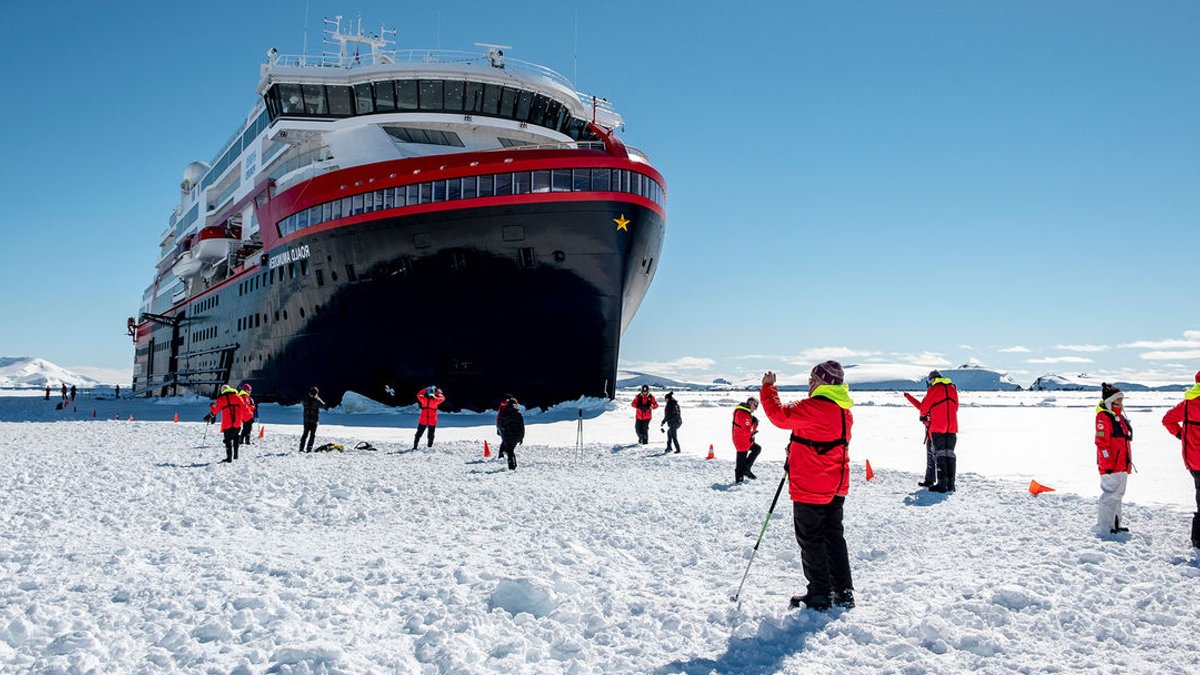
Expedition cruise lines are also adjusting plans mid-sailing as ice and weather conditions in the Arctic and Antarctica grow more varied. Ulyana Horodyskyj, an expedition team member with Aurora Expeditions, said, “Our aim is to make the most of the environment as we find it on the day.
” In Antarctica, sea ice is disappearing, making some locations difficult to reach.
As heat waves grow more frequent and intense, some hotels in cooler climates are seeing a summer business boost. At the Alpina Gstaad in Switzerland, summer has become a strategic season, with entry-level rates in July climbing from $1,200 five years ago to $3,000 now. The Hotel Nesslerhof in Austria has broadened its summer offerings, adding activities like yoga, Pilates, and guided hiking.
The aviation industry is also adapting to excessive heat, with airlines facing lift-off problems due to low air density. Koen Karsbergen, co-founder of Air52 Aviation Consultants, said, “This is becoming higher on the radar than it was six or seven years ago.
” Airlines are scheduling more ultralong-haul flights in the cooler early morning or night hours.
Cooler Destinations Expand Their Seasons
Even urban destinations like Copenhagen are adapting. The Admiral Hotel Copenhagen has added an outdoor pool, a rare amenity in the city, to attract travelers seeking milder summer climates without sacrificing amenities.
Tour Operators Adjust Europe Itineraries for Heat
Tauck, a company offering land tours and river cruises, has modified its European itineraries to address rising temperatures. During summer, they schedule visits to attractions like Prague’s Charles Bridge at sunrise to avoid peak heat.
The company extended its core river cruise season to April-October and designed a new Douro River ship with a pool, shaded sundeck, and window glazing to block sunlight. Some hotels in cooler European climates report increased summer bookings, with guests staying longer and engaging in more active itineraries.
Aviation Industry Adapts to Heat Challenges
Embraer E175 regional jets operating out of Miami, for example, may need to reduce baggage or passenger counts for flights approaching three hours in duration. As climate change continues to impact travel, the industry will need to remain adaptable to ensure safe and efficient operations.


