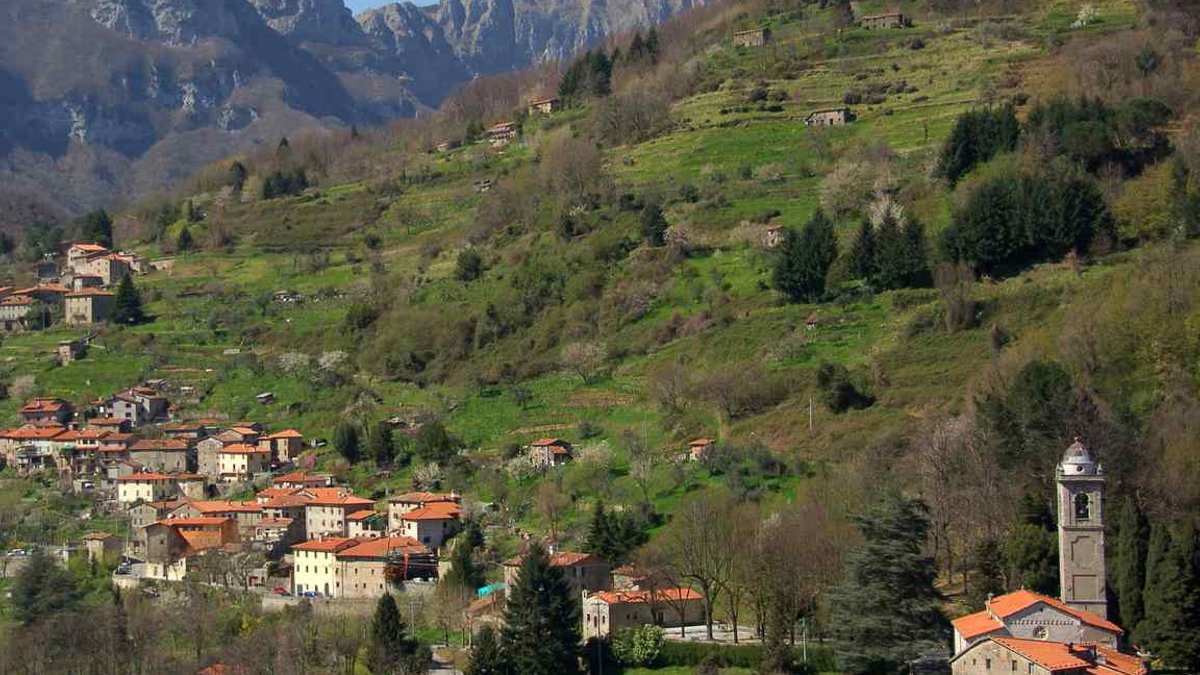
Travelers seeking an alternative to the crowded streets of Florence can turn to Lunigiana, the lesser‑known border region where Tuscany meets Liguria, for a mix of medieval castles, mountain vistas and access to the Ligurian coast.
From Castles to Marble: Exploring the Hinterland
Midway through the medieval era, the area earned the nickname “land of a thousand castles” as fortified sites guarded trade routes linking the Alps to the sea. One of the most striking examples, Castello Malaspina in Fosdinovo, crowns a valley that offers sunset views from the Apuan Alps down to the Ligurian Sea. The castle’s turrets shift from bright to shadowed as the day fades, a change that locals say summons the legend of the White Lady, a ghost said to haunt the battlements.
Near the marble‑rich mountains of Carrara, the open‑air Fantiscritti marble museum lets visitors see how quarries operated until the 1960s, using techniques similar to those employed by Roman slaves two millennia ago. Walter Danesi, the grandson of the museum’s founder, notes that “Carrara marble is an Italian brand, much like Armani or Ferrari,” highlighting the stone’s role in iconic works such as Michelangelo’s David and the Pantheon in Rome.
Sunset drapes the cliffs.
Coastal Luxury at Forte dei Marmi
South of the hills, the Tuscan coast unfolds at Forte dei Marmi, a seaside resort known for its pine‑lined villas and upscale beach clubs.
Related: I hated camping until this Devon spot
Luxury villas such as Villa Doria in Portovenere provide cliffside accommodations that echo the romantic spirit of the nearby Cinque Terre villages. Guests can combine a stay in these seaside properties with day trips to the historic towns of Lerici and La Spezia, or venture inland to explore the castles and marble quarries of Lunigiana.
One way to blend the two worlds is to begin with a farmhouse stay in the Lunigiana hills, then transition to a villa under the pine canopy of Forte dei Marmi. The contrast between the rugged interior and the polished beachfront creates a varied itinerary that avoids the over‑touristed routes of Chianti and the typical “Chiantishire” experience.
In comparison with other Italian border regions, Lunigiana’s mix of feudal history, marble industry and wine production offers a more layered experience than the simpler agritourism found in, say, Umbria’s rolling hills. The presence of both ancient castles and modern luxury beach clubs illustrates how the area can cater to travelers seeking depth and comfort in one trip.
Travelers planning a visit should consider shoulder‑season timing, with May, June or September offering milder weather and fewer crowds. Accommodation options range from historic farmhouses in the interior to contemporary villas on the coast, and local agencies can arrange boat trips that link the Tuscan seaside with the Ligurian Gulf of Poets and the Cinque Terre.


