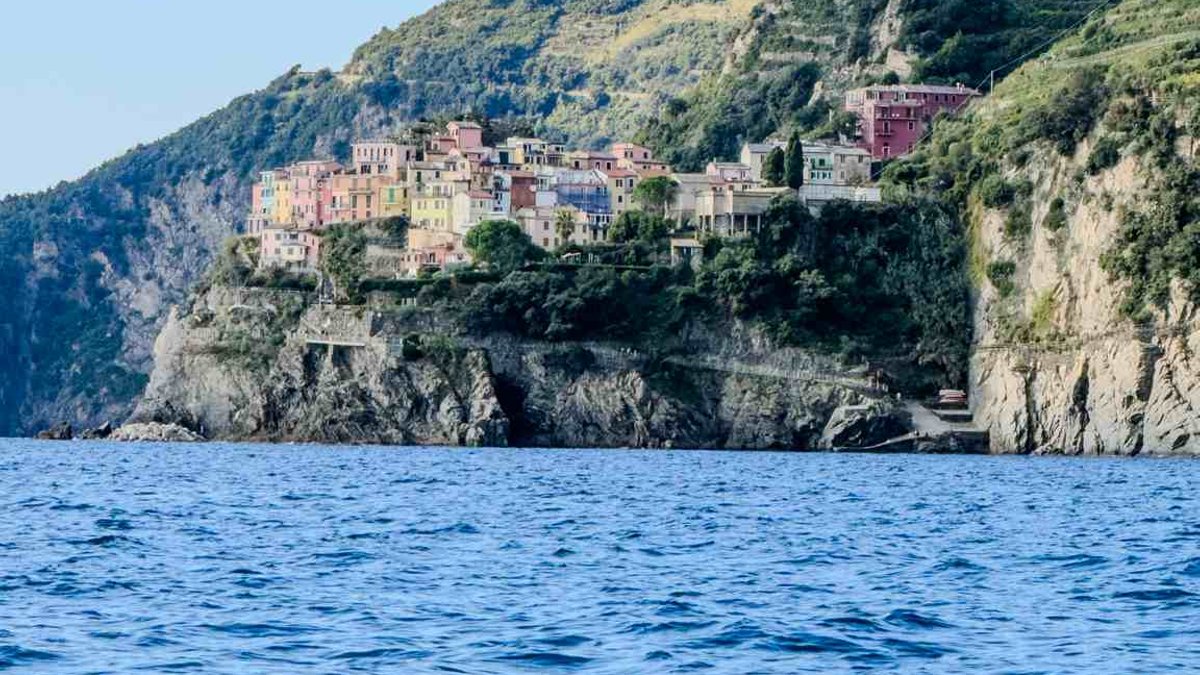
The Cinque Terre region on the Italian Riviera is famous for its colourful villages and coastal hikes, but the area is also defined by the wine produced there. The steep, vertical terrain has forced generations of growers to develop unique methods to cultivate grapes in a challenging environment. This “heroic” viticulture produces wines that are distinct from the flatland varieties of Tuscany or Piedmont.
Portovenere serves as a quieter gateway to this rugged coastline. Separated from the main cluster of villages by a narrow inlet, the town offers a mix of maritime history and access to the wilder Lunigiana region. Visitors arriving by boat see a different side of the setting, framed by steep slopes where vineyards tumble down to the sea.
A setting of resilience
The five villages—Monterosso, Vernazza, Corniglia, Manarola, and Riomaggiore—form a UNESCO-listed “living setting.” While tourists often focus on the pastel houses and seaside views, the local culture is rooted in survival. Fishing and wine-making have been the primary sources of income for centuries, a balance that remains precarious in the face of modern mass tourism and changing climate conditions.
Ligurian cuisine relies heavily on local ingredients, and wine is no exception. The white wines of the Cinque Terre are typically blends of native varietals grown on the terraced slopes. Sommelier Yvonne Riccobaldi, who grew up in Manarola, describes the flavor profile as a reflection of the surroundings. “Cinque Terre white wine is synonymous with the sea, sun, salt, wind and rocks, with Mediterranean scrub and aromatic herbs.”
Related: I hated camping until this Devon spot
Among the local offerings is Sciacchetrà, a sweet dessert wine that has been produced in the region for centuries. The production methods are traditional, often dating back to techniques introduced by monks. The region’s growers have had to adapt to the harsh conditions, battling marine winds and rocky soil to maintain their harvests.
Locals take great pride in this laborious process. Davide, a wine-grower in Riomaggiore, handles the steep vineyards using a motorized monorail system to transport tools and harvests. “I have no insurance for passengers,” he warned a visitor attempting the ascent. He views the difficult work as a fair price for the solitude and freedom of his micro-winery. For many growers, the harsh terrain is simply part of the environment they have adapted to over generations.
Getting around the area requires a mix of transport options due to the lack of parking in the villages. The Cinque Terre Express train connects the five villages with La Spezia, taking about five minutes between stops. Monterosso is the only village served by long-distance Intercity trains. Visitors can purchase a Train & trekking card for unlimited train travel and access to park trails, including the Via dell’Amore.
Ferries provide another way to see the coast, running between Lerici and Levanto. A one-day ferry ticket allows visitors to hop on and off at various stops. Hiking is a popular activity, but trail conditions can change due to weather or maintenance. The official Cinque Terre website provides current information on path status and access fees, which help support the local park and its preservation efforts.


