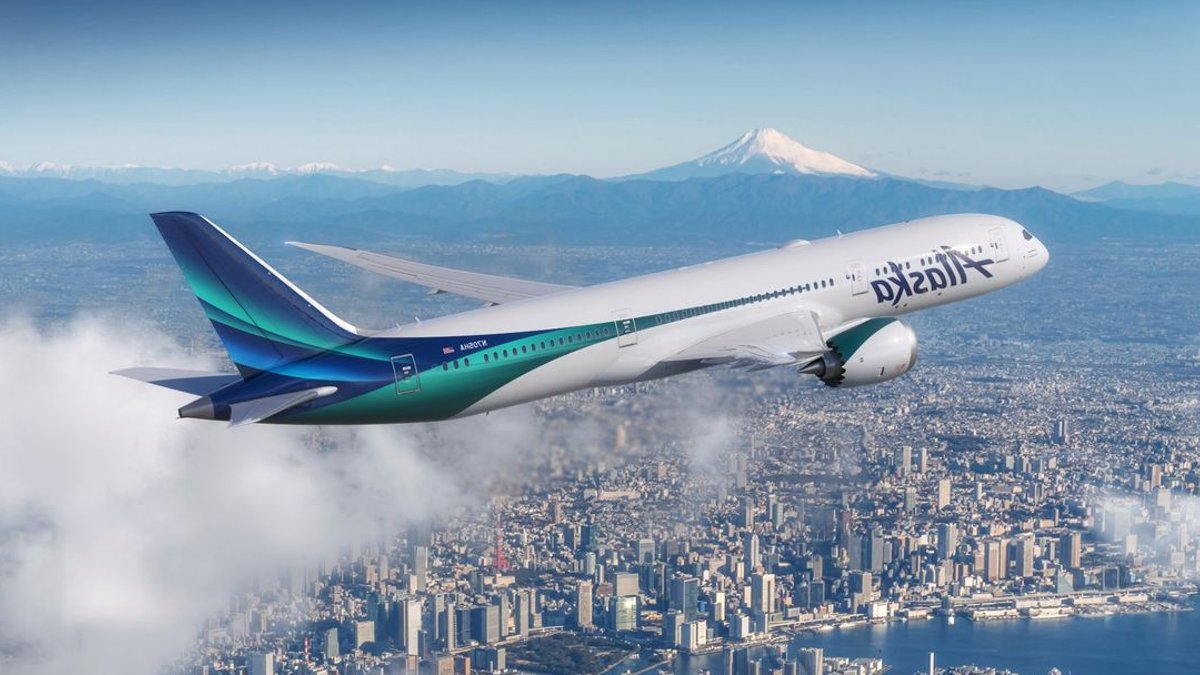
Alaska Air Group plans to become the first U.S. airline to participate in two separate international joint ventures at the same time. This initiative could transform competition on transatlantic and transpacific routes. The proposal would enable both Alaska Airlines and its subsidiary Hawaiian Airlines to operate under antitrust-immune agreements with Oneworld alliance partners, including American Airlines, British Airways, and Japan Airlines.
The arrangement stands out because no two U.S. carriers have ever joined the same international joint venture. While most airline alliances coordinate international schedules, this deal would extend those protections to domestic routes as well. James Speta, an antitrust specialist at Northwestern University, warns that this creates risks. Under antitrust immunity, partners can align schedules and capacity—something that does not typically occur between U.S. carriers. The proposal could allow American and Alaska to coordinate domestic operations, a practice that has drawn scrutiny before.
Alaska and American already codeshare on domestic and long-haul flights, but the joint venture would strengthen their collaboration. Revenue sharing in these partnerships is more profitable than standard codeshare agreements, giving airlines stronger incentives to coordinate services. For example, next summer American is scheduled to fly twice daily from New York JFK to Seattle, competing with Alaska and resuming a service that it last flew in 2019. Being part of a joint venture could alter how American and Alaska approach New York-Seattle service.
Read Also: Travel Agencies Redesign IC Agreements to Prevent Fraud and Audits
“You may find out that once they enter a joint venture, the frequency will differ, the time of day may differ and the aircraft type could differ. It may turn out that one serves the market or the other doesn’t,” said Bob Mann, an airline consultant at R.W. Mann and Co. Schedule coordination is a regular feature among joint-venture partners. But when the airlines are from different countries, that coordination doesn’t involve feeder routes served by both airlines.
This is not the first attempt by U.S. airlines to expand joint ventures beyond international routes. In 2021, American and JetBlue launched the Northeast Alliance, sharing revenue and schedules on domestic flights. That deal was approved under the Trump administration but later blocked by a court after the Justice Department argued it reduced competition. Alaska’s position as a relative newcomer to global flying will likely reduce concerns about consolidation.
Opposition may also arise from competitors like Delta, which faces Alaska in Seattle. American Airlines pilots might resist the partnership, fearing it could discourage American from expanding its own long-haul service from Seattle—a route it had previously considered. Conversely, the Trump administration’s relatively permissive approach on antitrust matters could ease the regulatory path forward, both Mann and Speta said.
Read Also: Holland America offers Pan Am themed cruise
Regulators will examine whether the deal reduces capacity or raises fares. Scott Wagner, an antitrust attorney at Miami-based law firm Bilzin Sumberg, said approval would require conditions designed to prevent an enhanced American-Alaska partnership from weakening domestic competition. For example, regulators could require the airlines to maintain capacity on certain routes.
Alex Judson, Alaska Air Group’s director of partnerships and international, said Alaska is prepared for such conditions.


