Cowes Week marks its 200th anniversary this August on the Isle of Wight, drawing sailors and tourists alike to what is billed as the United Kingdom’s largest sailing regatta.
Celebrations kick off with a week‑long lineup
The festivities begin on 1 August and run through 7 August, featuring a Red Funnel aerial display, a fireworks show and a series of on‑shore events. Organisers have highlighted the island’s appeal amid concerns about airport delays, wildfires and soaring summer temperatures, positioning the coastal setting as a safer alternative for holidaymakers.
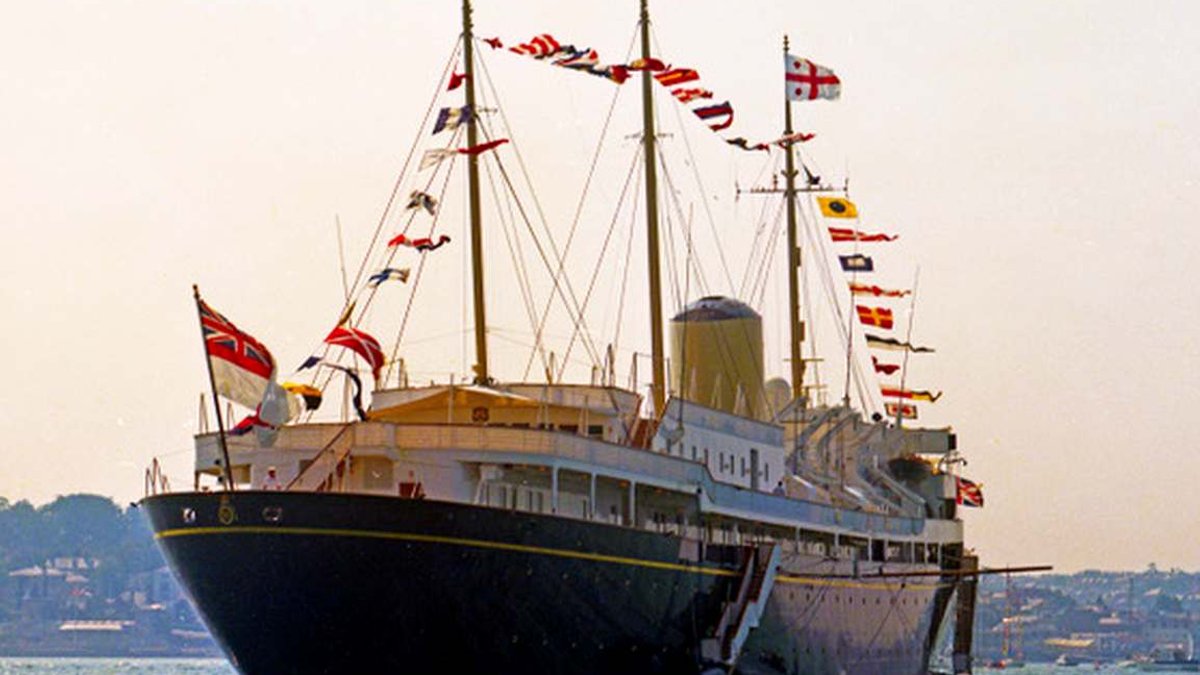
One of the centerpiece attractions is a pop‑up exhibition titled “Sailing through Royal History,” which runs at the Commodores House off Cowes High Street until 29 August. The exhibit showcases historic photographs and a video tour of the interior of the royal yacht Royal Britannia, a vessel that Prince Philip frequented during Cowes Week between 1955 and 1996.
Cowes itself is split by a chain bridge, linking West Cowes—home to the main shopping district—with the eastern side of the town. Visitors can stroll along the high street, where coloured flags adorn shopfronts, and stop at the restaurant Coast for freshly cooked mussels, a local specialty.
Heritage sites and natural attractions add depth to the itinerary
Just east of Cowes lies Osborne House, Queen Victoria’s Italianate summer residence, now managed by English Heritage. The Royal Apartments offer a glimpse into the family’s private life, including an exhibit on Victoria’s role as Empress of India.
Related: Art and tech festival debuts in London
The surrounding gardens lead to the Swiss Cottage, once a play area for the royal children.
Nature enthusiasts have several options. The Rhododendron Walk, best seen in April or May, bursts with colour, while the nearby pebbly beach still hosts Victoria’s original bathing machine. Further inland, Brading provides panoramic island views from a steep hill, though the site is closed on Mondays and Tuesdays.
Ventnor Botanic Gardens, promoted as Britain’s hottest gardens, display over 30 000 rare and exotic plants. Their “Ventnor Method” showcases climate‑resilient conservation techniques aimed at preserving ecosystems amid changing weather patterns.
On the island’s western tip, the iconic Needles—three chalk stacks capped by an operational lighthouse—remain a major draw. Visitors can reach Alum Bay via a chairlift or a steep walk, then board a boat for a closer look at the formations.
Adgestone Vineyard welcomes guests for a self‑guided audio tour of its winemaking process, concluding with a shaded courtyard where patrons can sample a distinctive blue fizzy wine while live music plays between 1 pm and 3 pm.
Related: Crimea chaos as Ukraine strikes and US hits Iran
Freshwater Bay, once home to poet laureate Alfred Lord Tennyson, features restored gardens reflecting their 19th‑century layout. The Grade‑I listed Farringford house opens to the public from April to October, with nearby cottages available for rent, many of which are dog‑friendly.
Dog owners will find the island accommodating.
Compared with previous anniversaries, this bicentennial feels more like a showcase of resilience; the event’s organizers seem to lean on the island’s natural assets to offset broader travel uncertainties, a pattern not unlike past efforts to market coastal festivals during periods of economic strain.
The week’s schedule also includes a series of sailing races that test a range of yachts, from classic keelboats to modern foiling vessels. While the competition draws seasoned professionals, amateur crews and families are encouraged to attend the on‑deck spectator areas, where the sea breeze carries the sounds of hulls cutting through water.
Local businesses anticipate a boost in revenue, with many reporting early bookings for accommodations and dining. The combination of heritage sites, natural scenery and the regatta’s historic prestige positions Cowes Week as a diverse attraction that may help the Isle of Wight sustain its tourism sector amid broader climate and travel challenges.


