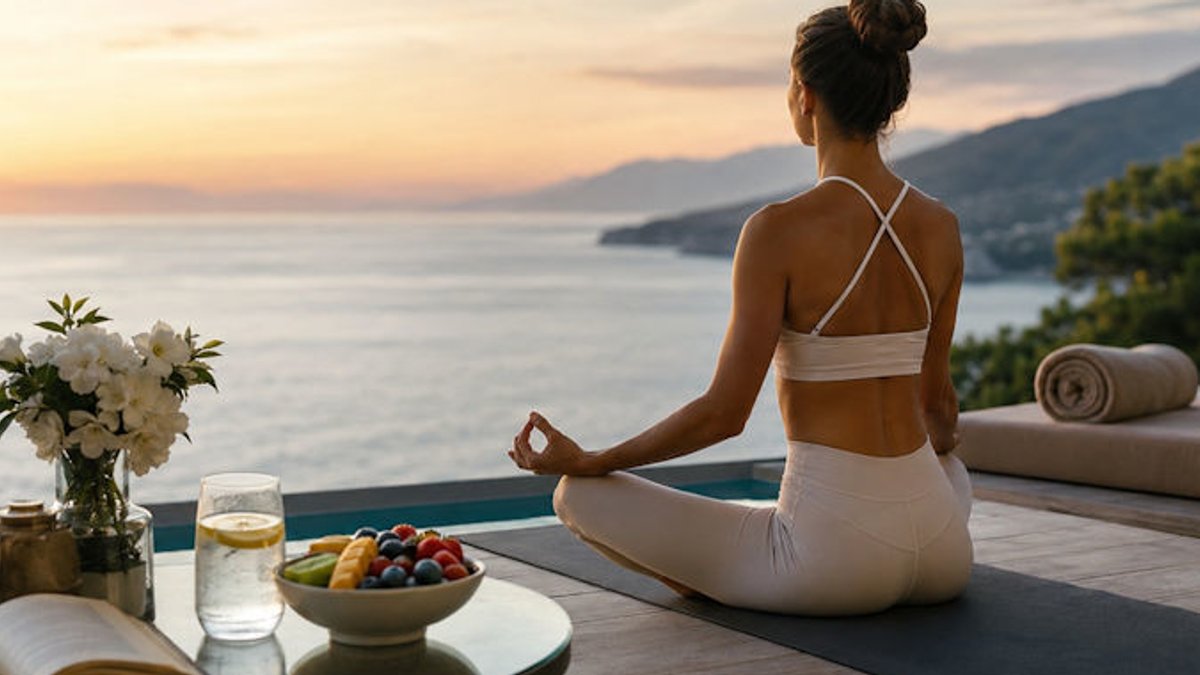
Women’s wellness in 2026 is moving beyond gym routines and spa visits to include metabolic health, strength, sleep, and how bodies change over time. The focus has shifted from short-term fixes to long-term well-being, and luxury travel is adjusting to meet these new priorities.
Metabolic health redefined
Weight no longer dominates the conversation. Metabolism involves how the body converts and manages energy, influenced by nutrition, activity, sleep, and age. The scale provides only a partial picture.
Studies into metabolic signaling, such as GLP-1 receptor pathways, are broadening the discussion. These pathways affect appetite, glucose regulation, and energy balance. Scientists are also examining compounds that target multiple metabolic receptors.
For travelers, wellness routines now prioritize sustainable habits like nutrition, movement, and rest rather than isolated goals. The approach is simpler but more holistic.
Related: Viking named top cruise line for oceans and rivers
Strength as a longevity tool
Fitness for women is no longer centered on calorie burning. Muscle and bone health become more important with age, particularly around menopause. Strength and resistance training are now considered essential for maintaining mobility and function.
Wellness travel reflects this change. Yoga and spa treatments remain popular, but they are now paired with hiking, Pilates, and resistance training. The goal is preserving what the body can do, not just how it appears.
Sleep and recovery have gained equal importance alongside active pursuits. Frequent travelers often face disrupted routines, time-zone changes, and unfamiliar environments, all of which can interfere with rest. Wellness itineraries are adapting by offering quiet spaces, thoughtful sleep settings, and unstructured time to recharge.
Sometimes, doing less is the best way to restore energy.
Personalization takes center stage
Wellness routines are not one-size-fits-all. Age, lifestyle, and individual goals determine what people need from an experience. Luxury travel is responding with private fitness sessions, customized menus, and itineraries designed around a guest’s balance of movement and rest.
Related: New boutique hotel opens in city
Skin health is also part of the healthy-aging conversation.
Peptides and the longevity question
Peptide science is one example of emerging research influencing the wellness conversation. Different compounds are being investigated in areas ranging from skin biology and cellular signaling to metabolism and tissue response.
These remain research areas, not proven consumer treatments. Preclinical findings do not guarantee human benefits. Still, the scope of peptide research is expanding discussions around longevity and health.
The most significant change in women’s wellness isn’t a new ingredient or technology. It’s the shift away from quick fixes toward a more complete view of well-being. That means sustainable habits, personalized care, and a focus on long-term health rather than temporary resets.
Travelers have taken notice. A wellness trip is no longer just about the destination. It’s about feeling restored, with itineraries built around sleep, movement, and recovery as much as sightseeing.
Related: Scritti Politti shines at Queen Elizabeth Hall
This may signal a turning point.
If the trend continues, wellness in 2026 could look less like a checklist of treatments and more like a continuous, adaptable practice—one that evolves as the body does.
For now, science is still catching up to demand. Research and personalized medicine are advancing, but not all claims are supported by strong evidence. The challenge lies in separating promising research from overhyped products.
Women’s wellness is no longer a niche market. It has become a growing field where luxury travel, science, and personalization come together around a single idea: health isn’t a destination. It’s a way of living.


