The Touraine Loire Valley is home to around 120 visitable châteaux, making it one of the areas with the highest concentration of these historic structures in France. With turrets stretching upwards and stone shaped in fairy tale fashion, the region offers a look into the past through its stone walls, moats, and drawbridges. Visitors can uncover hidden gems on tours that reveal the stories woven into picture hangings and the history behind secret weddings.
Ancient Strongholds and Modern Hospitality
Château de Champchevrier sits within a forest and serves as a home to Laurence Bizard-Hamilton and her husband. King Louis XI and XIII stayed at the estate, and in June 1940, the UK Embassy used it as their base. The Countess highlighted her ancestor portraits and 16th-century woven works of art depicting settings with hidden animals. The castle is well-furnished with heirlooms, including rows of antlers and bear heads above the fireplace, a hunting horn, and a pharmacy cabinet of age-old potions. It’s easy to imagine the lives of servants here, and the copper-littered kitchen is reminiscent of a Downton Abbey production.
Staying in the 17th-century Château de Rochecotte felt decadent, with its baroque and classical styles and 25 hectares of French gardens and wooded park. Here, 37 elegantly decorated rooms, suites and apartments sit within an intimate, verdant setting. Statuesque dogs stand guard beneath the entrance pillars to welcome guests. The gourmet restaurant serves authentic French cuisine across two settings: Le Dino, a neo-classical dining room, and La Verrière, a contemporary space opening onto gardens.
Château de Rochecotte was abandoned and closed for years. During the Hundred Years’ War, its hilltop was a military stronghold to keep watch on advancing English troops. In 1984, it was bought by the Pasquier family, who restored it and turned it into a hotel that preserves the memory of the Duchesse de Dino de Talleyrand-Périgord and the Duchesse de Sagan. Today, the family maintains an intimate, personalised service in a refined setting.
The Duke’s Wedding and the Perfumer’s Dream
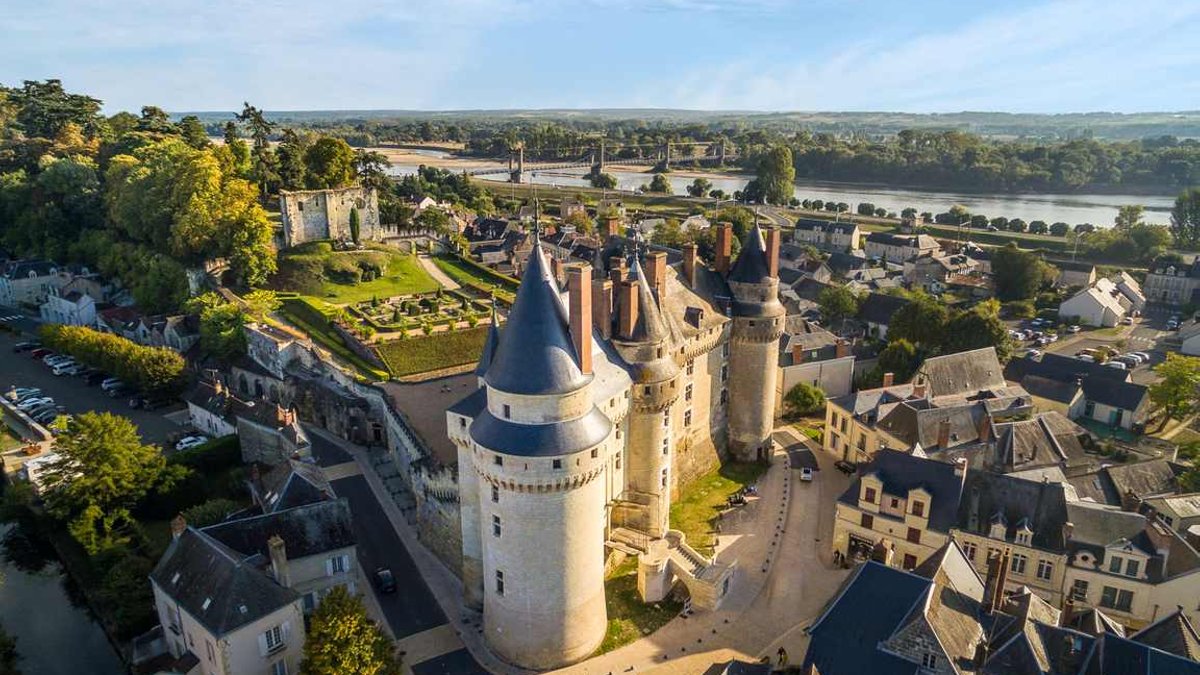
The entrance to Château de Langeais is over a drawbridge, one of the last still in operation in France, lowered every morning to welcome visitors into an authentic medieval atmosphere. This is the site of the secret marriage of Charles VIII and Anne of Brittany in 1491, which sealed the duchy of Brittany’s attachment to the crown of France. Its towers, sentry post and austere facade reveal its defensive character. This flamboyant Gothic castle in Indre-et-Loire is both a fortress and a princely residence, containing many treasures of carved furniture, 15th-century woven works of art and works of art.
Château de Candé achieved celebrity status on 3 June 1937, when it hosted the wedding of the Duke of Windsor and Wallis Simpson, chosen for its discreet location. This 16th-century Renaissance château, a blend of Gothic and Italian styles, looks deceptively small from the outside with a French-style entrance hall topped by a painted ceiling. The ceremony took place in the wood-panelled library, while the dining room hosted the small group of just 16 guests; no royals attended. The tour of the château is a memorabilia trail of the event: the original wedding certificate is on display, signatures are written on the wood ledge above it and framed photos of the couple. In the shop, books on the late Queen Elizabeth and the then Prince Charles are on sale, alongside collector’s items such as mugs picturing the Duke of Windsor and Wallis Simpson.
Related: Takanaka dazzles at Crystal Palace Bowl
Perfumer François Coty built the 18th-century-style Château d’Artigny amid twenty-five hectares of parkland, complete with a French garden, marble statues, ornate woodwork and frescos. This elegant residence was the dream of the famous perfumer and today exudes the air of a Belle Époque castle with a breath-taking entrance into a spacious lobby. The fine-dining restaurant, L’Origan, serves gourmet French cuisine in a timeless setting with views over the valley. A spa is reached by a tunnel from the hotel, leading to a small Romanesque swimming pool.
Visiting these sites often involves managing busy schedules and long days. The luxury of exploring a sprawling estate at a leisurely pace can sometimes conflict with the logistical demands of a travel itinerary. This tension between the romanticized history of a location and the logistical constraints of a tourist visit is a common experience for travelers seeking to connect with heritage sites.
Wine, Boats and the Garden of France
Château de Villandry is the grand dame of exquisite gardens, with spectacular views of symmetrical patterns and surrounding moats. Ten gardeners maintain the variety of ornamental gardens and a maze to lose yourself. The château has been family-owned since 1906 and is set on the site of the first medieval fortress. Inside are religious paintings, a dining room and staircase which are registered as historical monuments. Napoleon’s youngest brother, Jérôme Bonaparte, purchased the Château de Villandry in late September 1813. For those looking to mark life’s big moments in stunning locations, Château de Villandry is an ideal choice.
Nicknamed “the Garden of France,” Touraine remains one of the country’s most diverse wine-growing areas, producing not just reds, whites and rosés but also sweet dessert wines and sparkling vintages that rival those of nearby Champagne. Domaine de La Rodaie, in the heart of Saint-Nicolas-de-Bourgueil, has 21 acres of vineyard and five generations of family history, producing light, fruity reds and rosés. The estate also runs a brewery and is the first in Touraine to make whisky for the locals.
Between château visits, there are trips on traditional toue boats along the UNESCO-listed stretch of the Loire near Port de la Chapelle, with picnics onboard and, on occasion, an accordion for a sing-along. The area of France attracted artists to create works inspired by the region’s beauty, such as The Banks of the Loire. This region is perfect for a refined hotel experience, but here, it is the châteaux that offer luxurious accommodations.


