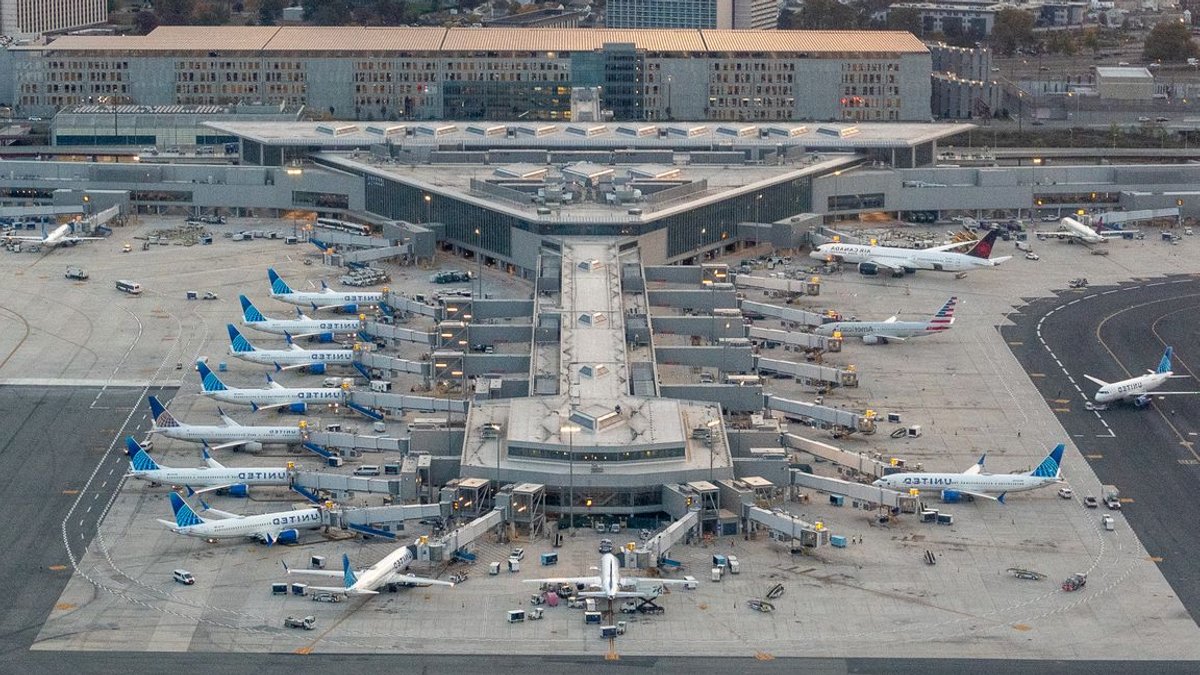
Air travel in the Northeast has returned to normal operations following a major telecommunications breakdown at a Federal Aviation Administration center, which halted flights and caused widespread delays and cancellations on Monday, September 21. The outage grounded arrivals at key airports and disrupted thousands of flights across the U.S.
Technical Failure Causes Widespread Disruption
A primary telecommunications circuit at the FAA’s Philadelphia air traffic control facility failed Monday morning. Under normal circumstances, the system would have switched to a backup line. However, officials discovered the backup fiber-optic cable had also been severed during railroad construction in New Jersey. This left controllers without access to critical radar and communication systems, forcing the FAA to sharply limit traffic through affected airspace, including temporarily stopping arrivals at Newark Liberty International Airport (EWR), John F. Kennedy International Airport (JFK), LaGuardia Airport (LGA), Philadelphia International Airport (PHL), and Boston Logan International Airport (BOS).
Read Also: Fishermen and Loggers Turned Into Conservation Guardians
By the end of Monday, roughly 7,000 flights around the United States had been delayed or canceled, according to FlightAware data. Newark was among the hardest-hit airports, with commercial arrivals halted for nearly eight hours. More than 600 flights into or out of the airport were canceled, and over 100 flights bound for affected airports were diverted elsewhere. Initial confusion surrounded responsibility for the damage, with Transportation Secretary Sean Duffy first attributing it to an Amtrak crew before Amtrak denied involvement and New Jersey Transit later indicated its construction work was likely connected to the incident.
Recovery Challenges Beyond the Fix
Repairing the communications system is only the first part of the recovery. Airlines operate with tightly timed flight sequences, and disruptions can leave aircraft hundreds of miles from their intended overnight destinations. Pilots and flight attendants may hit federal duty limits, while passengers needing rebooking could strain already full later flights. A disruption centered on the Northeast can ripple nationwide the following day, as seen with a flight from Chicago to Denver potentially delayed if its aircraft was supposed to arrive from Newark the prior night.
Read Also: Couple’s Year-Long Airbnb Journey Across America Reveals Travel Insights
The FAA has not confirmed delays will persist for days, but after such a large-scale disruption, it typically takes airlines a day or two to rebuild schedules, especially at busy hubs with limited spare capacity. The lines were repaired Monday evening, allowing air traffic to begin returning to normal operations.
Advice for Travelers
Travelers flying through the Northeast should check flight statuses in their airline’s app before departing, even if flights appear on time. Monitoring the inbound aircraft and its previous flight’s status can provide early warning of potential delays. Some airlines issued travel waivers after Monday’s disruptions, with United, operating a major hub at Newark, offering one. Other carriers allowed changes without penalties. Passengers with canceled flights have federal refund rights under DoT regulations, though meal and hotel coverage is less certain since the disruption originated with air traffic control rather than the airlines themselves.


