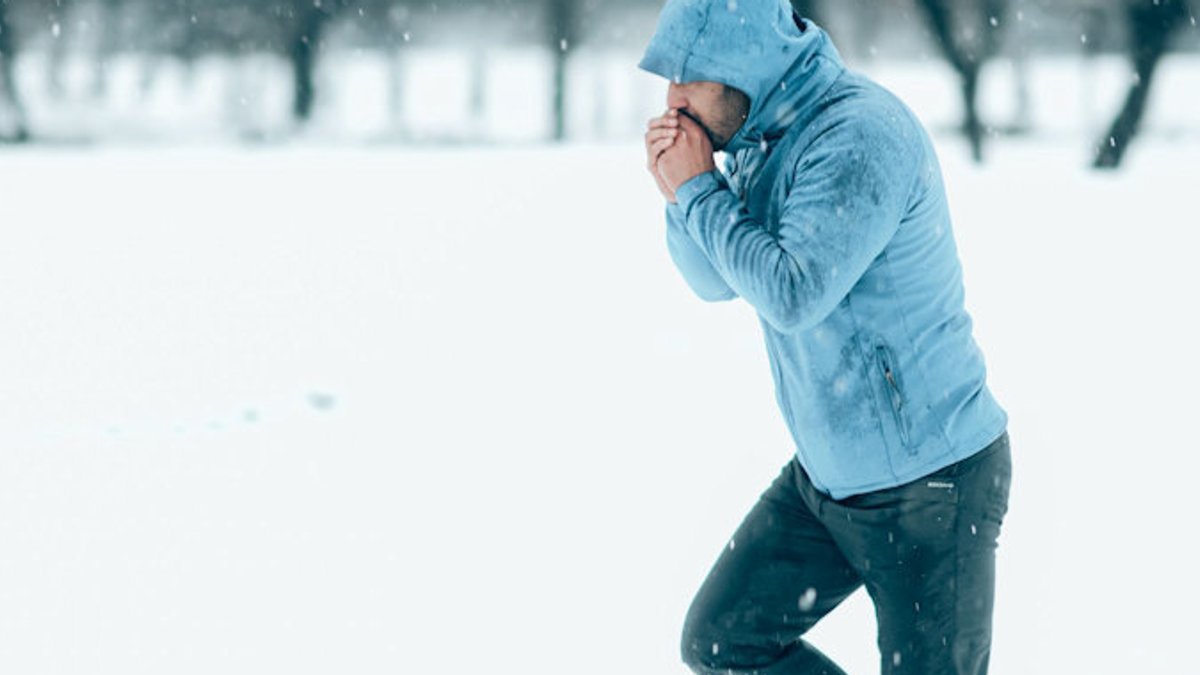
Cold hands and feet are usually the reason an outdoor day ends early, not overall body temperature, so solving for the extremities matters more than adding another layer to the core. The body pulls blood away from hands and feet in cold conditions to protect vital organs, so those areas lose heat faster than the torso no matter how many layers sit on top. Bulk insulation slows the loss but can’t reverse it once circulation drops. Heated socks and gloves work around the problem by adding warmth directly at the skin instead of relying on trapped air.
ActionHeat.com and similar retailers sell heated socks, gloves, and footwear built specifically for this, with heating elements placed at the toes and fingertips rather than spread evenly across the garment.
Related: Peninsula Paris unveils luxury spa suite
The difference between thick wool and heated gear
Thick wool traps existing heat. Heated pairs generate new heat at a specific point, which matters because toes and fingertips are where circulation drops first. Rechargeable batteries power these garments, but the battery location and the fabric insulation around it change how the gear feels in real conditions. Extended stillness in real cold compresses the insulation inside boots, losing loft and trapping cold air instead of keeping feet warm. A battery runs out before the activity ends, leaving the user with a pair of socks that feel like regular cotton.
Runtime determines if the gear works for the job
Runtime is the detail most buyers skip past, and it decides whether the gear works for the job or just for the walk to the car. The longest runtime with the lowest heat drain per hour is ideal for long waits, while a removable battery allows for a mid-shift swap. Lower cost usually comes with shorter runtime, which is fine if the activity is short. For work that requires dexterity, glove heat output takes a backseat to grip and finger mobility.
What to check before buying heated socks or gloves
Related: AI-Powered Visual Storytelling for Luxury Travel Influencers (2026 Guide)
- Toe and fingertip placement: A heating element in the ankle or the back of the hand does little for numb toes or fingers.
- Battery location: Ensure it sits somewhere that stays comfortable inside a boot or under a glove cuff.
- Sizing: Heated socks run thicker than regular ones, and tight boots block circulation regardless of heat.
- Charging time: An eight-hour recharge is useless for back-to-back cold mornings.
Why fit matters as much as heat output
A heating element only works if blood can still reach it. Wearing heated socks inside boots that are already tight cuts off the same circulation the heat is supposed to help, and the same applies to gloves under a jacket cuff that squeezes the wrist. Buying a half size up in boots or a slightly looser glove often solves cold feet and hands faster than upgrading the battery.
The user must consider the specific activity, since someone sitting still in a deer stand for six hours needs a different setup than someone walking a dog for fifteen minutes, and buying based on hours outside rather than advertised temperature avoids most of the disappointment people report with heated gear.


